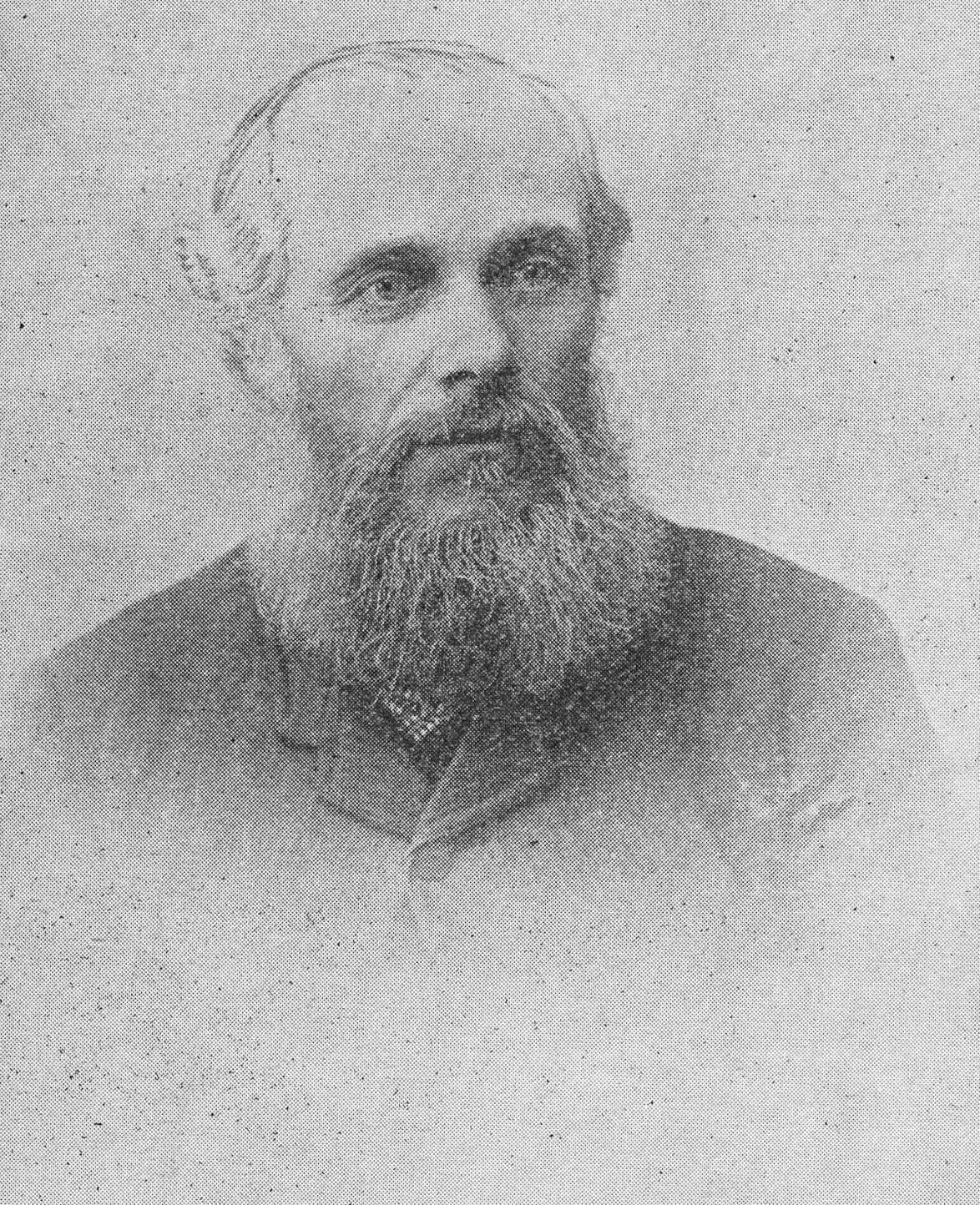
In the second half of the nineteenth century, when sawmills were the largest employers in many communities throughout the Trent Valley, one of the most important employees was a timber cruiser. A timber cruiser would travel through forested regions, to judge the quality of the lumber that was found in a certain tract. The profession required many particular skills. First the timber cruiser had to find the boundaries of a plot—in an era when surveying monuments were difficult to find, if they still existed at all (some early marks were made on trees, which after a few years might no longer be standing). Then the cruiser had to estimate the quantity and judge the quality of the timber that could be produced from the tract. Often they surveyed lot by lot.
In the first half of the century, cruising could be much less rigorous as there was no shortage of trees, standing timber had little commercial value, and as long as there were enough trees in the vicinity a company would be reasonably secure in setting up a shanty. By the 1880s, timber berths sold for hundreds of thousands of dollars, and fortunes could be won or lost on accurately calculating the value of these berths. Timber cruisers often advised companies not only on whether to purchase the rights to cut, but also where to set up the logging shanties and how to float the logs out. Nelson Vannier of Fenelon Falls had the reputation of being one of the best cruisers in the region.
For 55 years Nelson worked for Mossom Boyd and his sons. Over the years, he did many jobs, including working as a shanty foreman, and operating a secondary mill on Little Bald Lake in the 1860s. Later in his career, he worked primarily as a cruiser.
During the second generation of the Mossom Boyd Company, virgin pine forests tributary to the Trent Watershed became scarce and by the 1890s, prime timber berths in the region, or further north in what would become Algonquin Park, became extremely expensive. While some other companies paid a fortune to cut in the area, the Mossom Boyd Company looked elsewhere. Nelson Vannier made many trips to look at berths in other areas. Mossie Boyd was so eager that no one else could intercept the valuable information that Nelson was sending, that a system of ciphers was used for communication. Based on Vannier’s advice, the Boyd family decided to move operations to Cowichan, near Duncan Station, on Vancouver Island, buying a mill that had fallen into the hands of creditors. Vannier would move west, along with many of Boyd’s most skilled workers and served as cruiser of the Cowichan Lumber Company until 1908.