Maryboro Lodge Personality: John Langton
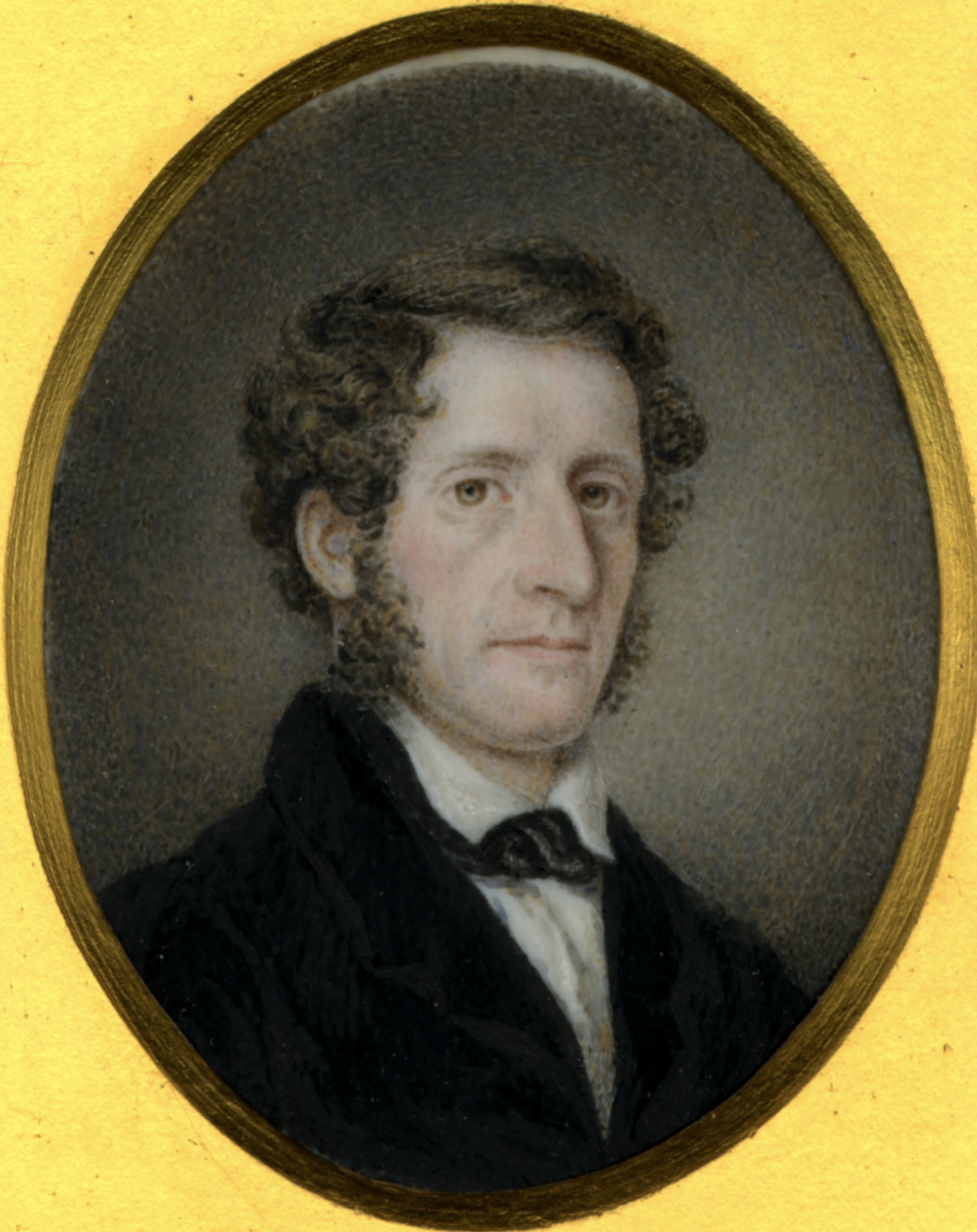
John Langton, 1845
John Langton grew up in a wealthy mercantile Lancashire family. His father, Thomas, ran a business importing flax and hemp for the manufacture of sailcloth, just the type of venture that did conspicuously well in Britain during the Industrial Revolution and Napoleonic Wars. John grew up at Blythe Hall, a country estate, adhered to the Church of England, and had the opportunity to go on the ‘Grand Tour’—travelling across Europe to be taught by masters including educational pioneer Johann Heinrich Pestalozzi.
The Grand Tour came to an abrupt end. Thomas had left his nephew in charge of the business while they travelled, who proved unequal to the task of navigating the economic uncertainties that followed the Napoleonic Wars. The Langtons returned to England and were forced to sell Blythe Hall. As they struggled to find a new way forward, they often looked back to Blythe, the life and prosperity that they had lost. Though they found themselves in “embarrassed circumstances,” John was able to attend Cambridge with the help of an aunt. John was a younger son and would not receive a large inheritance, so he emigrated to the north arm of Sturgeon Lake in 1833.
When John began building his new home in the backwoods, many of his neighbours were also aspiring young gentlemen—younger sons who were looking to make their own way after crossing the Atlantic. Most looked back to the landed class in Britain, but none had the money to live like a real lord of the manor. It was a world where there were literally more lords than labourers, But, as they remarked on who had a musical instrument or silver spoons, a table might be a door supported by two pork barrels.
John hired labourers to help him create a farm from the forest, and soon had the most productive and best developed plot in the community. It was named Blythe, after his home back in England. He became a community leader and Justice of the Peace, quickly aligning himself with the Conservative, Anglican political elite (the so-called Family Compact, on the eve of the Upper Canada Rebellion). He was joined by his sister (Anne), parents and aunt in 1837. His parents and aunt died of malaria (which was then endemic in Upper Canada), and he realized that his farm, though the biggest around, was not profitable—his humbler neighbours did the farm work themselves.
When John had to sell Blythe, he turned to politics and was elected as Member of Parliament for Peterborough County in 1851. He also took an interest in developing higher education in the colony, becoming Vice Chancellor of the University of Toronto. He was active in building University College. In 1855, he became Inspector General of Accounts and was part of the delegation that went to London to plan Canada’s Confederation. He served as Canada’s first Auditor General, retiring in 1878. Though he did not return to the Sturgeon Lake community that he had helped to found, his letters home continue to be an important literary record of living conditions in the backwoods of Upper Canada.